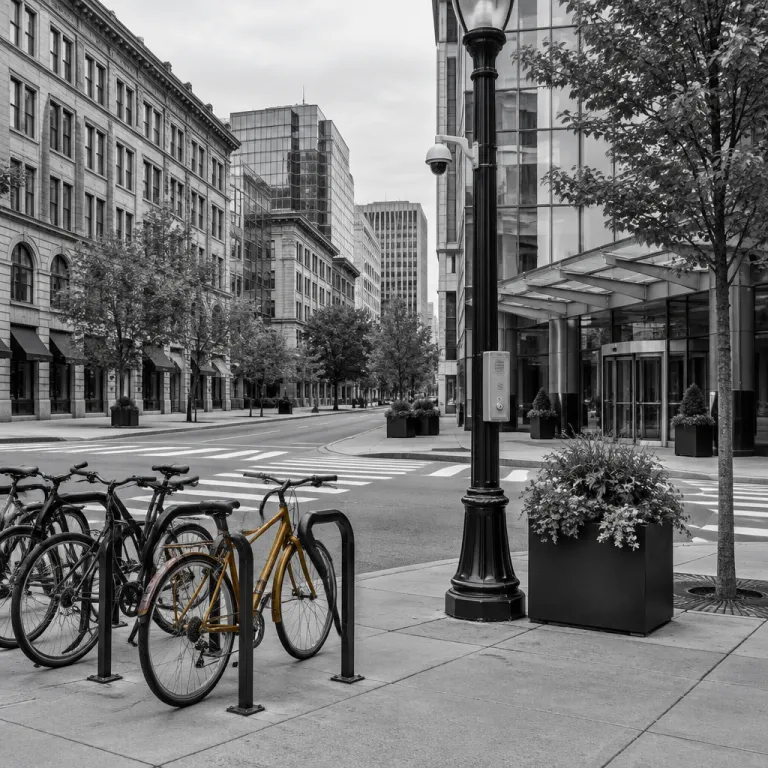
Is Montréal Safe for Tourists? A Downtown & City Centre Safety Guide
Understanding how safe Montréal feels for tourists in the city centre
Montréal in Québec, Canada, consistently ranks among the safest large cities in North America for visitors. According to Statistics Canada’s 2022 police-reported Crime Severity Index (CSI), the Montréal census metropolitan area recorded a total CSI of 70.3, well below the national average of 78.1 and significantly lower than several major Canadian and U.S. metropolitan areas of comparable size. Travellers who stay in central areas such as downtown, Old Montréal and the Quartier des spectacles usually feel safe walking between hotels, restaurants and cultural venues. The recurring question “is Montréal safe for tourists” often arises because any big city will generate headlines about crime, public safety and late night incidents.
When you read local news about Montréal, you may occasionally see reports of an armed robbery or isolated violent incident in specific areas outside the core. These stories can sound alarming in a short video clip, yet they rarely affect the experience of an average tourist staying near major hotels and convention centres. Montréal police (Service de police de la Ville de Montréal, or SPVM) and municipal services work closely with local businesses and Canadians living downtown to keep the city centre well lit, well monitored and welcoming for every tourist. Official public safety pages from the City of Montréal outline how patrols, CCTV coverage and community programs support this approach throughout the year, and SPVM annual reports show that violent crime represents a minority of total files in the urban agglomeration.
Safety in Montréal also connects to how the city manages large public events, from festivals to sports games and political gatherings. During an election campaign in Québec or in the federal context of Canada, demonstrations are usually peaceful and heavily supervised by authorities. For most tourists, the biggest risks in central Montréal are petty theft, late night intoxication around bars and simple travel mishaps rather than serious violent crime. One frequent visitor from Costa Rica described in a travel blog how she felt safe walking back to her hotel near Place des Arts after midnight, noting that there were “more people laughing than shouting” on the streets and that the overall atmosphere in the city centre felt relaxed.
Downtown Montréal hotel zones and how they shape your sense of security
Choosing the right place to stay in downtown Montréal will strongly influence how safe you feel when stepping out of your hotel. The central business district around Rue Sherbrooke, Boulevard René Lévesque and the underground city offers dense foot traffic, strong lighting and quick access to métro stations. Many tourists and business travellers prefer these areas because they can walk to meetings, galleries and shopping streets while still feeling that the question “is Montréal safe for tourists” has a reassuring answer grounded in their own experience of the city and the way public spaces are designed.
South of the main towers, the Quartier des spectacles forms a cultural hub where festivals, concerts and public events animate the streets for much of the year. Security staff, Montréal police and local volunteers manage crowds, guide visitors and monitor entrances, which helps each tourist feel safe even when thousands gather for a show. If you are planning a longer stay to test life in Québec, a detailed guide on how a downtown Montréal hotel stay can prepare you for a confident move explains how central districts support both comfort and security, and how staying near major venues lets you observe the city’s rhythms over several days.
Old Montréal, with its cobblestone streets and historic buildings, remains one of the most visited areas in the city for tourists from Canada, the United States and countries such as Costa Rica. The narrow lanes can feel quieter late at night, so you will want to stick to main routes like Rue Saint Paul and stay aware of your surroundings. Even here, the presence of hotels, restaurants and local residents means that most visitors walk back to their rooms without encountering more than occasional nightlife noise. A Canadian couple quoted in a travel review mentioned that they “felt safer in Old Montréal at night than in many other North American city centres,” especially around the Old Port and Place Jacques-Cartier, where terraces, street performers and harbour views keep the area lively.
Practical safety tips for hotel guests comparing downtown Montréal options
When travellers ask “is Montréal safe for tourists” they usually want practical guidance, not abstract crime statistics. Start by choosing a hotel close to métro stations such as Peel, McGill, Place des Arts or Square Victoria–OACI, because short well lit walks reduce exposure to quieter side streets. If budget matters, you can still prioritise safety by using a curated guide to cheap hotels in Montréal and the best downtown deals that remain within busy, central areas where tourists and local workers mix throughout the day and evening.
Inside your hotel, apply the same habits you would use in any major city in Canada or abroad. Keep valuables in the room safe, lock doors, and avoid opening to unknown visitors, even if someone claims to be a local staff member without proper identification. When you travel between the airport and downtown Montréal, licensed taxis, app based rides and the 747 bus line offer reliable options that help each tourist feel safe while carrying luggage. Montréal–Trudeau International Airport and the city’s transit authority publish up to date public transport information so you can read schedules and plan routes before you arrive, which reduces last minute stress.
Outside, stay on main arteries such as Sainte Catherine Street, Boulevard René Lévesque and De Maisonneuve, where foot traffic, lighting and cameras are strongest. If you plan to attend late night events or explore bars, walk in small groups and avoid displaying expensive cameras or phones when a video or photo is not necessary. These simple behaviours, familiar to Canadians and international visitors alike, keep the already low risk of armed robbery or serious assault in central Montréal even lower while still allowing you to enjoy the city’s nightlife and spontaneous street performances.
Comparing Montréal’s safety with other international city breaks
Many travellers evaluate “is Montréal safe for tourists” by comparing it with other urban destinations they know. Montréal, Québec, generally reports lower violent crime rates than several major cities in the United States and some European hubs of similar size, based on recent Statistics Canada and international crime index data. For a tourist staying in central areas, the experience often feels closer to visiting a calm European city than a hectic metropolis, especially when walking between cultural venues, restaurants and hotels in the early evening or after a concert.
Guests who have travelled through Latin America sometimes compare Montréal with a place like San José in Costa Rica or with large capitals in the region. While every country or republic manages security differently, Montréal benefits from strong public institutions, extensive social services and a dense network of community organisations that support at risk youth. These factors, combined with visible policing in entertainment districts, help most tourists feel safe walking between hotels, restaurants and cultural venues until late evening. One Latin American visitor interviewed in a local news segment remarked that Montréal “felt like a city where people look out for each other,” particularly in central areas where residents, students and visitors share the same streets.
Of course, no city in Canada or elsewhere can guarantee that an armed robbery or street theft will never occur. Montréal’s authorities respond by concentrating resources in specific areas when news reports highlight emerging problems, especially during busy festival periods. As a tourist, you will notice this through mounted police, patrol cars and security teams around major events, which reinforces the sense that local officials take visitor safety seriously and adjust their strategy throughout the year in response to data and community feedback.
How transportation, public spaces and events influence safety for visitors
Mobility plays a central role in how safe Montréal feels for tourists staying downtown. The métro and bus network covers the city efficiently, and stations in central areas are usually busy, well lit and monitored by cameras. SPVM neighbourhood police stations, such as Poste de quartier 20 (covering parts of the downtown core), work with the transit authority to address issues quickly. Before you travel, you can read a detailed guide on how to get around Montréal from your hotel, which explains how to use métro, bus, bike and taxi options with confidence and how to choose routes that match your comfort level.
Public spaces such as Place des Arts, the Old Port and Parc du Mont Royal attract both tourists and locals throughout the year, which naturally increases passive surveillance. During major events like the Montréal International Jazz Festival or sports playoffs, security teams coordinate closely with police to manage crowds, check bags and respond quickly to any incident. Visitors who film a short video of the festivities often remark on how relaxed the atmosphere feels compared with other big city gatherings, even when thousands of people share the same streets and plazas in the heart of Montréal, Québec, Canada.
Political life in Québec and Canada can also shape the security landscape, especially during an election campaign when rallies and marches take place downtown. These demonstrations are usually peaceful, and authorities communicate clearly with the public about routes and expected disruptions through news channels and municipal alerts. For a tourist staying in a central hotel, the main impact will be temporary street closures rather than any threat to personal safety, and hotel staff can usually advise you on alternative routes to your chosen venue or meeting place so you still feel safe moving around the city.
Media narratives, crime headlines and what they really mean for hotel guests
Online news cycles and social media can distort perceptions when people ask “is Montréal safe for tourists” before booking a room. A single armed robbery caught on a security camera may circulate widely as a short video, even if it occurs far from the main hotel districts. Without context about the city and its neighbourhoods, a tourist might assume that such incidents reflect everyday life in downtown Montréal, when in reality they may be concentrated in a few specific areas that most visitors never enter.
Local journalists in Québec and across Canada often highlight crime stories because they attract clicks and advertising revenue, not because the city has suddenly become dangerous for every tourist. When you read a blog or article about Montréal safety, pay attention to whether it distinguishes between residential areas on the outskirts and the central zones where most hotels stand. Responsible travel writers emphasise that the majority of visitors experience Montréal as a friendly, walkable place where they feel safe in hotels, restaurants and cultural venues, and they usually cite public data or municipal sources such as Statistics Canada tables or SPVM annual reports to support their claims.
Over the course of a year, Montréal police publish detailed statistics that show where incidents cluster and how trends evolve, including percentage changes from one year to the next. These data help local authorities, hotel managers and event organisers adjust lighting, patrols and camera coverage in specific areas. For guests, the practical outcome is a downtown environment that remains comfortable for tourists while still acknowledging that, like any city, Montréal requires vigilance and smart urban planning. Reading these official updates can reassure cautious travellers who want more than anecdotal evidence and prefer to base decisions on concrete figures.
Planning a safe Montréal stay: what thoughtful travellers should prioritise
When you plan a trip and wonder whether Montréal is safe for tourists, start by mapping your hotel, métro stations and key attractions. Choose a place that keeps most of your movements within a compact radius, because shorter walks in busy areas reduce exposure to isolated streets. Many Canadians and international visitors follow this strategy instinctively, and it works equally well whether you come from another province or from Costa Rica for your first visit to Québec, especially if you are unfamiliar with winter conditions or late night transit schedules in a northern city.
Before you travel, read recent public advisories from the City of Montréal and check national travel guidance from your home country. These sources summarise any temporary concerns, such as demonstrations during an election campaign or specific neighbourhoods where late night crime has increased. Pair this information with hotel reviews that mention how safe guests felt walking back from events, restaurants and métro stations, and pay attention to comments about lighting, noise and the presence of other tourists in the area, as these details often matter more than broad citywide averages.
During your stay, stay alert without becoming anxious, and treat Montréal as you would any other major city in Canada or abroad. Keep copies of your passport and insurance details, avoid carrying large amounts of cash, and use contactless payments whenever possible. By combining sensible habits with a central hotel choice, you align your experience with the reality that most tourists feel safe, enjoy the city’s culture and leave Montréal already planning their next visit, often recommending the city to friends through word of mouth, social media posts and personal travel blogs that highlight how secure they felt in the downtown core.
Key safety statistics for Montréal visitors
- Montréal’s overall crime rate has remained lower than that of several major North American cities of comparable size, according to data from Statistics Canada for recent years, including 2021 and 2022, when the city’s Crime Severity Index stayed below the national average.
- Violent crime in Montréal represents a small fraction of total reported incidents, with property offences such as theft and mischief making up the majority of police files in the urban agglomeration, as shown in SPVM annual reports that break down offences by category and year.
- Downtown Montréal and central tourist districts benefit from higher police visibility and private security presence, which correlates with lower rates of serious violent incidents compared with some peripheral neighbourhoods identified in public safety maps and municipal briefings.
- Public transport in Montréal, including the métro, records relatively few violent incidents per million passenger trips, making it a generally safe option for tourists moving between hotels and attractions at most times of day, especially along the main lines serving the city centre.
- Seasonal patterns show that reported incidents can rise slightly during peak festival periods, yet the vast majority of events conclude without major security problems for attendees, according to yearly summaries released by municipal authorities and event organisers.
FAQ about Montréal safety for hotel guests
Is Montréal safe for tourists staying in downtown hotels at night ?
Downtown Montréal is generally safe at night, especially along main streets with heavy foot traffic, strong lighting and active nightlife. Most hotel guests walk between restaurants, venues and their rooms without incident when they stick to busy routes. As in any large city, staying aware of your surroundings and avoiding deserted side streets late at night remains sensible, particularly if you are carrying valuables or filming with an expensive video camera.
Which Montréal neighbourhoods are best for first time visitors concerned about safety ?
First time visitors who prioritise safety usually choose downtown, the Quartier des spectacles, Old Montréal near the Old Port and parts of the Plateau close to métro stations. These areas combine hotels, restaurants and attractions with regular police patrols and many local residents on the streets. Staying in these districts reduces the need for long late night journeys through unfamiliar neighbourhoods and keeps you close to major events, museums and meeting places.
How safe is Montréal public transport for tourists with luggage ?
The Montréal métro and main bus lines are considered safe for tourists, including those carrying luggage to and from central hotels. Stations in the core are monitored by cameras and staff, and incidents of violent crime are rare compared with the large number of daily passengers. Keep your bags close, avoid displaying valuables and travel during regular service hours for the most comfortable experience, especially if you are new to the city.
Are major Montréal festivals and events secure for international visitors ?
Large festivals such as the Montréal International Jazz Festival, Just for Laughs and sports playoffs operate with extensive security planning. Organisers coordinate with police, private security and emergency services to manage crowds, check bags and respond quickly to any problem. International visitors typically report feeling safe at these events, especially when they follow staff instructions and remain within designated festival zones where security and first aid teams are clearly visible.
What should I do if I experience a crime or emergency in Montréal ?
If you face an emergency in Montréal, call 911 to reach police, fire or medical services immediately. For non urgent situations, hotel staff can help you contact local police stations, file reports and communicate in French or English as needed. Keep copies of your identification and insurance documents so that you can provide details quickly if authorities or consular officials request them, and ask for a written incident number so your insurer or home country’s consular services can follow up later.