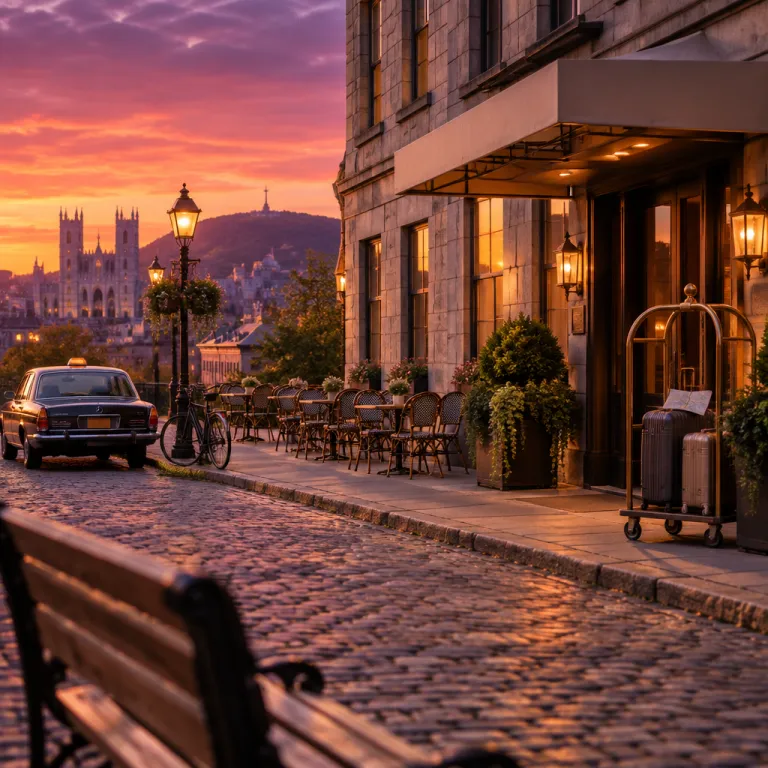
Choosing the right Montréal area for your first hotel stay
First time visitors often underestimate how large the city feels. Montréal stretches from the St Lawrence River up to Mont Royal, and each area offers a different rhythm and style of stay. Your hotel choice will shape how much time you spend commuting versus strolling charming streets.
For a classic first stay, downtown Montréal works well because you can walk to the business district, the Quartier des spectacles, and the underground shopping network. This central place also gives quick access by métro to Vieux Montréal, the Plateau Montréal neighbourhoods, and the leafy slopes of Parc du Mont Royal. If you prefer quieter evenings, look at the Plateau Mont Royal area or the Plateau Mile End corridor, where cafés and small restaurants line every rue Saint and side street.
Travellers focused on history often choose a hotel near Vieux Montréal and the Vieux Port Montréal waterfront. From there you can reach Place d’Armes, the Basilique Notre Dame de Montréal, and the Grande Roue de Montréal in a few minutes on foot. This part of the city feels especially atmospheric in Montréal winter, when snow softens the cobblestones and the port Montréal quays glow with lights.
When comparing neighbourhoods, think about your daily patterns and energy levels. If you like to start every morning with a strong coffee and a short walk, the Plateau Montréal and Plateau Mont sectors offer dense café culture along Rue Saint Denis and nearby streets. Night owls may prefer downtown Montréal, where late closing times and easy taxis make spontaneous evenings simpler for first timers.
Many montreal travel tips for first timers overlook transit, yet it matters for hotel selection. Staying close to a métro station such as Place-des-Arts, Berri-UQAM, or Champ-de-Mars reduces travel time and keeps you flexible in both summer and winter. Aim for a location where you can reach Mont Royal, Vieux Montréal, and downtown Montréal in under twenty minutes.
Families often appreciate hotels near Parc La Fontaine Montréal or in the Plateau Mont Royal area, where parks and playgrounds break up sightseeing days. Couples might prefer a smaller property near Rue Saint Paul in Vieux Montréal, close to romantic restaurants and the riverfront. In every case, check walking distances on a map rather than trusting vague descriptions of the city centre.
Planning your days around Mont Royal, cafés, and romantic walks
Thoughtful planning turns a first visit Montréal into a relaxed experience. Start by mapping one major highlight per day, then add nearby cafés, museums, and parks so you avoid criss crossing the city. This approach keeps montreal travel tips for first timers practical rather than overwhelming.
One day should focus on Mont Royal and its surrounding area, because this urban mountain defines the city’s geography. From the base, you can walk up to the Belvédère Kondiaronk for a sweeping view of downtown Montréal, the river, and the Plateau Montréal rooftops. In summer, continue towards Lac aux Castors, also known as Beaver Lake, where locals picnic on the grass and stroll around the water.
At Lac aux Castors, you will see families renting pedal boats in summer and people skating in Montréal winter. The Parc du Mont Royal trails feel surprisingly wild for a city park, especially around the wooded paths near the cross on the summit. Plan at least half a day here, and bring water because the climb from the Plateau Mont side can feel steep.
After your Mont Royal excursion, reward yourself with a café stop in Plateau Mile End. This area between Avenue du Mont Royal and Rue Saint Viateur mixes independent coffee shops, bakeries, and small art galleries. It is an ideal place to watch people and absorb the creative energy that defines this part of the city.
Couples looking for romantic things to do near their hotel can plan an evening around the riverfront and historic streets. A useful guide to romantic things to do in Montréal near your hotel can help you pair a sunset walk with a special dinner. Many first timers enjoy starting at Place d’Armes, visiting Notre Dame, then wandering down Rue Saint Paul towards the Vieux Port Montréal.
For food lovers, mornings are perfect for exploring Rue Saint Denis and Avenue du Mont Royal. These streets in Plateau Montréal offer everything from classic croissants to inventive brunch plates, often in relaxed spaces filled with local art. In summer, terraces spill onto the sidewalks, while in winter, cosy interiors and warm lighting make lingering over coffee especially appealing.
Old Montréal, Notre Dame, and curated local tours from your hotel
Vieux Montréal is where many first timers fall in love with the city. Cobblestone streets, stone façades, and the proximity to the river give this area a European feel that contrasts with modern downtown Montréal. Staying nearby or booking a hotel within a short métro ride makes early morning walks here particularly rewarding.
Begin at Place d’Armes, framed by the Basilique Notre Dame de Montréal, the Bank of Montréal building, and a mix of historic and contemporary architecture. Inside Notre Dame, the blue and gold interior, intricate woodwork, and stained glass windows showcase the city’s religious and artistic heritage. Arriving early in the morning helps you avoid crowds and gives you time to appreciate the details.
From Place d’Armes, stroll down Rue Saint Sulpice or Rue Saint Paul towards the Vieux Port Montréal. Along the way, you will pass galleries, artisan shops, and cafés that highlight Montréal’s art and design scene. In summer, street performers and outdoor terraces add energy, while in Montréal winter, the quiet streets feel almost cinematic.
First timers often benefit from curated walking tours that explain the layers of history in Vieux Montréal. Many tours start near Place d’Armes or the Champ-de-Mars métro station, making them easy to reach from most city hotels. Look for small group options that include both the old town and the waterfront, so you understand how port Montréal shaped local trade and culture.
To deepen your planning, consult a detailed guide on what to do in Old Montréal when you stay nearby. This type of resource helps you link specific streets such as Rue Saint Paul and Rue Saint François-Xavier with nearby museums and restaurants. It also supports montreal travel tips for first timers by suggesting realistic walking routes and time estimates.
Do not miss the Grande Roue de Montréal in the Vieux Port Montréal area, especially if you enjoy city views. The observation wheel offers a different perspective on Mont Royal, downtown Montréal, and the river, both in summer and in winter. Evening rides can be particularly atmospheric, with the city lights reflecting on the water and the old warehouses of port Montréal glowing softly.
Museums, art, and neighbourhood cafés that define the Montréal rhythm
Beyond its skyline and riverfront, Montréal excels as a city of museums and art spaces. First timers who plan at least two museum visits gain a deeper understanding of local history, contemporary creativity, and the bilingual culture that shapes daily life. Integrating these stops into your hotel area choices keeps your itinerary efficient.
The Musée des beaux arts de Montréal sits near the Golden Square Mile, a short walk from many downtown Montréal hotels. Its collections range from European masters to Canadian and Québec art, with temporary exhibitions that often draw international attention. Nearby, the Musée d’art contemporain de Montréal, when open, anchors the Quartier des spectacles and connects easily to Place des Arts and the métro network.
In Vieux Montréal, smaller museums such as the Pointe-à-Callière, Cité d’archéologie et d’histoire de Montréal, explore the city’s origins at the confluence of the St Lawrence River and the Rivière des Prairies. Exhibits here explain how the original settlement grew into today’s diverse city, linking Indigenous history, French colonial periods, and modern development. These stories enrich montreal travel tips for first timers by giving context to the streets you walk every day.
Neighbourhood cafés are equally important to understanding Montréal’s rhythm. On the Plateau Mont Royal and in Plateau Mile End, cafés along Avenue du Mont Royal, Rue Saint Denis, and Rue Saint Viateur function as informal offices, living rooms, and meeting places. Spending an hour in a local café, watching people and listening to the mix of French and English, reveals as much as any museum.
Art also spills into public spaces, especially in the Plateau Montréal and downtown Montréal corridors. Murals along Rue Saint Laurent, sometimes called the Main, transform building walls into open air galleries that change with each summer festival. In Montréal winter, indoor galleries and cultural centres take over, offering concerts, performances, and exhibitions that keep the city vibrant despite the cold.
Families and culture lovers planning hotel stays near parks and museums can benefit from curated lists of family friendly things to do in Montréal. These resources often group attractions by area, such as Parc La Fontaine Montréal, the Plateau Mont Royal, and the downtown museum district. That structure aligns well with montreal travel tips for first timers, who need clear, walkable clusters rather than scattered suggestions.
Seasonal strategies for Montréal winter and summer stays
Season shapes Montréal more than many first timers expect. The contrast between Montréal winter and Montréal summer is dramatic, affecting what you pack, which hotel you choose, and how you plan your days. Thoughtful preparation ensures you enjoy the city in any weather.
In Montréal winter, temperatures often drop well below freezing, and wind along the river near Vieux Montréal can feel intense. Choose a hotel with easy indoor access to a métro station or the underground city, especially if you plan to explore downtown Montréal frequently. Pack layers, waterproof boots, and accessories such as hats and gloves, because you will still want to walk through Parc du Mont Royal or along the Vieux Port Montréal despite the cold.
Winter also brings unique experiences around Mont Royal and Lac aux Castors. The beaver lake area transforms into a snowy playground, with skating, sledding, and snowshoeing available when conditions allow. These activities turn the castors beaver theme into a playful reality for families and couples alike.
In summer, Montréal shifts into festival mode, with events across the city from the Quartier des spectacles to Parc La Fontaine Montréal. Hotels near Place des Arts, Rue Saint Denis, and Avenue du Mont Royal become convenient bases for music, comedy, and cultural festivals. Book early, because this is peak season and the most popular area options fill quickly.
Summer also highlights the city’s outdoor spaces, from the lawns of Parc du Mont Royal to the waterfront promenades of port Montréal. Early morning walks around Lac aux Castors or through the Plateau Montréal streets feel calm before the day’s heat and crowds. Evening brings life back to terraces, with people filling every café and restaurant patio along Rue Saint Denis and Rue Saint Laurent.
For montreal travel tips for first timers, the key is to align your expectations with the season. In winter, plan shorter outdoor segments linked by warm indoor stops such as museums, cafés, and shopping galleries. In summer, embrace longer walks, bike rides, and open air events, always keeping water and sun protection handy as you move between Mont Royal, Vieux Montréal, and downtown Montréal.
Local tours, curated activities, and how hotels can help
First time visitors often underestimate how much local knowledge hotel staff can provide. Reception teams in Montréal hotels usually know which tours, guides, and activities suit different interests and fitness levels. Asking specific questions about neighbourhood walks, museum passes, or seasonal events can transform a basic stay into a curated experience.
Walking tours remain one of the best ways to understand the city’s layered history. Options range from classic Vieux Montréal circuits around Place d’Armes and Rue Saint Paul to themed routes focused on street art along Rue Saint Laurent or food tasting in Plateau Mont Royal. Many tours start near central meeting points in downtown Montréal, making them easy to reach from most hotel areas.
Cycling tours offer another perspective, especially in summer when Montréal’s extensive bike path network shines. Routes often include the Lachine Canal, the Vieux Port Montréal, and climbs or detours around Parc du Mont Royal. For montreal travel tips for first timers, guided rides can feel safer and more informative than navigating alone in an unfamiliar city.
Food focused activities help you connect with Montréal’s culinary identity. Guided tastings in Plateau Mile End or along Rue Saint Denis introduce you to bagels, smoked meat, and contemporary Québec cuisine in a structured way. These experiences also reveal how people use cafés, bars, and small restaurants as social anchors in both summer and Montréal winter.
Some hotels collaborate with local partners to offer packages that include museum entries, public transit passes, or seasonal activities on Mont Royal and around Lac aux Castors. When evaluating options, ask whether the property can arrange tickets for the Grande Roue de Montréal, river cruises from port Montréal, or special exhibitions at major museums. These details matter for first timers who prefer to have logistics handled in advance.
Even if you plan independently, use your hotel as a daily information hub. Staff can advise on the best time to visit Montréal landmarks such as Notre Dame, Parc La Fontaine Montréal, or the beaver lake area to avoid crowds. They can also suggest lesser known cafés and art spaces in Plateau Montréal, downtown Montréal, or the Vieux Montréal area that match your interests and pace.
Practical logistics: transport, language, safety, and daily rhythms
Understanding Montréal’s practical side helps first timers feel confident from the moment they arrive. The city’s compact core, efficient métro system, and walkable neighbourhoods make it easier to navigate than many North American destinations. Still, a few targeted montreal travel tips for first timers can save time and stress.
From the airport, the 747 bus and taxis connect you directly to downtown Montréal, where many hotels cluster around Boulevard René Lévesque and Rue Sherbrooke. Once checked in, you can rely on the STM métro and bus network to reach Mont Royal, Vieux Montréal, and the Plateau Montréal districts. Buying a day or multi day pass often proves more economical than single tickets, especially if you plan to visit several museums and parks.
Language rarely poses a barrier, because most people in central areas speak both French and English. Learning a few basic French phrases shows respect and often leads to warmer interactions in cafés, shops, and smaller museums. Signs, menus, and transit information usually appear in French first, but staff are accustomed to helping visitors in English.
Safety levels in Montréal are generally high compared with many large cities. Normal urban precautions apply, especially at night in quieter streets or crowded festival zones. Choose well lit routes between your hotel and métro stations, and keep valuables secure when exploring busy areas such as the Vieux Port Montréal or major events downtown.
Daily rhythms shift with the seasons, affecting when you might want to visit Montréal landmarks. In winter, people tend to start later and spend more time indoors, so mornings in Parc du Mont Royal or around Lac aux Castors can feel very quiet. In summer, early morning becomes the best time for walks in Parc La Fontaine Montréal, climbs up Mont Royal, or photography sessions in Vieux Montréal before crowds arrive.
Finally, remember that Montréal is a city of neighbourhoods, each with its own character and pace. Plan your days around clusters such as downtown Montréal and the museum district, Vieux Montréal and port Montréal, or Plateau Mont Royal and Parc La Fontaine Montréal. This structure keeps walking distances reasonable and ensures your first visit Montréal feels rich, coherent, and deeply connected to the places where local people actually live and spend their time.
Key figures for planning a Montréal hotel stay
- Montréal welcomes more than 11 million overnight visitors annually, according to Tourisme Montréal (2022 data), which means booking central hotels early is essential in peak summer months.
- The STM métro network includes 68 stations over four lines, allowing most visitors to reach major sights such as Mont Royal, Vieux Montréal, and downtown Montréal within 30 minutes of their hotel (STM network map, consulted 2023).
- Average January temperatures in Montréal hover around −9 °C, while July averages near 21 °C, based on Environment and Climate Change Canada climate normals for 1991–2020, highlighting the need for season specific packing.
- The city maintains over 1,200 parks and green spaces, including Parc du Mont Royal and Parc La Fontaine Montréal, giving first timers abundant options for outdoor time close to most hotel areas (Ville de Montréal, 2023).
- The Grande Roue de Montréal stands 60 metres high, making it the tallest observation wheel in Canada and a key viewpoint for understanding the city’s layout on a first visit.
FAQ about Montréal travel tips for first timers
Which Montréal neighbourhood is best for a first hotel stay ?
For most first timers, downtown Montréal or Vieux Montréal works best. Downtown offers easy métro access and proximity to museums, shopping, and the Quartier des spectacles. Vieux Montréal provides historic charm and quick walks to the riverfront, Place d’Armes, and Notre Dame.
Do I need to speak French to visit Montréal for the first time ?
You can comfortably visit Montréal with only English, especially in central areas. Most people working in hotels, restaurants, and museums are bilingual and used to helping visitors. Learning a few basic French phrases is appreciated and can enrich your interactions in neighbourhood cafés and shops.
How many days should first timers spend in Montréal ?
A stay of three to four full days allows you to explore Mont Royal, Vieux Montréal, downtown museums, and at least one neighbourhood such as Plateau Mont Royal. With this duration, you can balance guided tours, café time, and unstructured walks. Shorter visits are possible but will require more focused planning and prioritisation.
Is Montréal safe for walking at night near hotels ?
Central areas such as downtown Montréal, Vieux Montréal, and Plateau Mont Royal are generally safe for walking at night. Use standard city precautions, stick to well lit streets, and avoid very quiet back lanes when possible. During festivals and busy summer evenings, crowds increase, so keep an eye on personal belongings in packed areas.
What is the best season for a first visit to Montréal ?
Late spring to early autumn offers the most comfortable weather and abundant festivals, making it ideal for first timers. Montréal winter has its own charm, with snow covered streets, skating at Lac aux Castors, and cosy cafés, but requires warmer clothing and more indoor planning. Choose the season that best matches your tolerance for cold and your interest in outdoor versus indoor activities.
Sources : Tourisme Montréal (2022) ; STM (network map, 2023) ; Environment and Climate Change Canada (climate normals 1991–2020) ; Ville de Montréal (2023).